
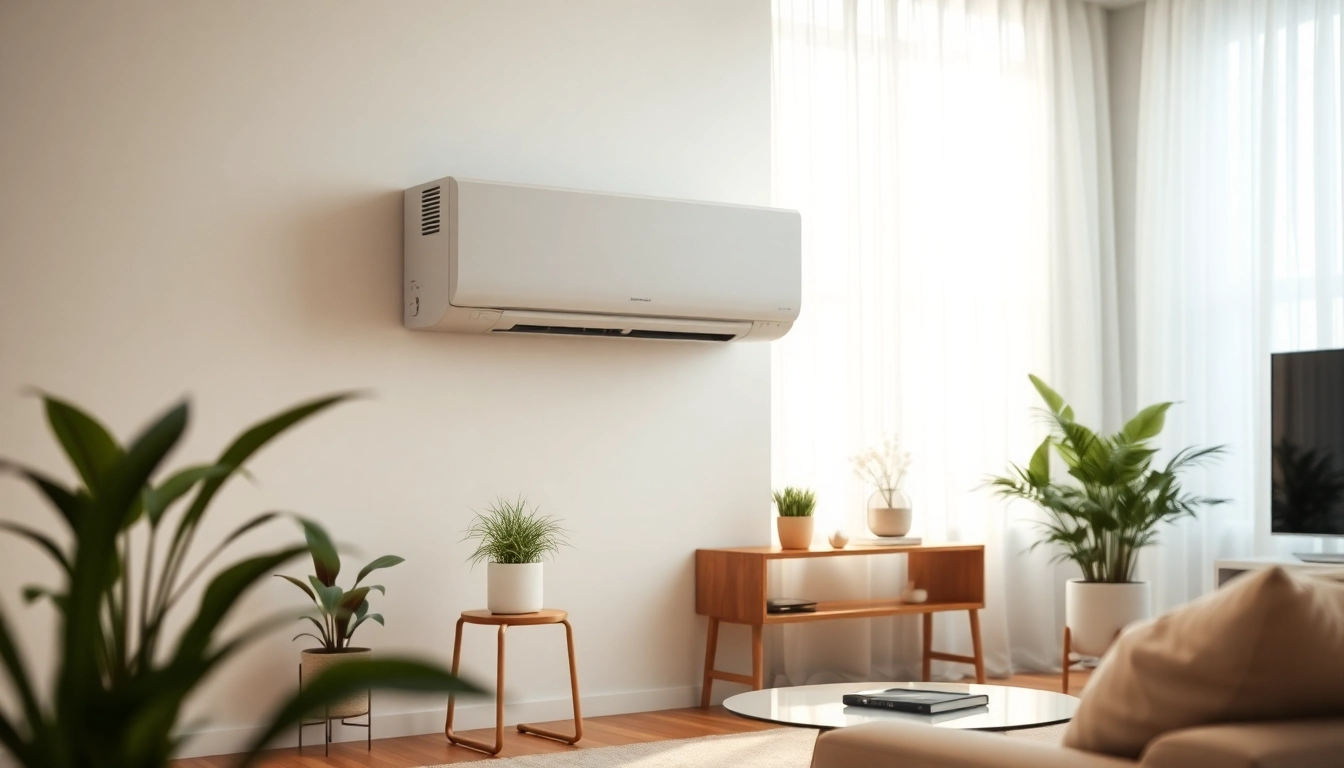

Understanding Mini Split AC: The Basics
What is a Mini Split AC?
A mini split AC is a type of air conditioning system that allows for efficient, zone-based cooling and heating within a home or business. Unlike traditional central air conditioning systems, mini split systems do not require ductwork. Instead, they consist of an outdoor condenser unit and one or more indoor air handling units. This configuration provides flexibility and efficiency, making mini split AC units ideal for various applications, from residential to commercial usage. These systems are often selected for their ability to effectively cool or heat specific areas, thereby reducing energy consumption and increasing comfort.
Key Benefits of Mini Split AC
Choosing a mini split AC system comes with several advantages:
- Energy Efficiency: Mini split systems are known for their high energy efficiency ratings, often utilizing inverter technology that adapts to the cooling needs of the environment, minimizing energy usage.
- Flexible Installation: With no ductwork required, mini splits can be installed in various locations in the home, offering convenience without the need for extensive renovations.
- Zone Control: The ability to control temperatures in different rooms independently allows users to manage energy usage and comfort levels effectively.
- Quiet Operation: Mini split systems operate quietly, enhancing indoor comfort without disrupting daily activities.
- Better Air Quality: These systems often include advanced filtration systems that can improve indoor air quality by reducing allergens and pollutants.
How Mini Split AC Works
Mini split AC systems operate using a simple principle: they transfer heat rather than generating cool air. The process involves the following components:
- Outdoor Unit: This unit contains the compressor and condenser. It helps release heat from indoors to the outside environment.
- Indoor Unit: Installed within the space to be cooled or heated, the indoor unit absorbs the heat and circulates cool air into the room.
- Refrigerant: A unique coolant circulates between the two units, absorbing heat from inside and releasing it outside as it changes between liquid and gas states.
This cycle not only offers cooling but can also reverse to provide heating when necessary, making mini split systems versatile for all seasons.
Choosing the Right Mini Split AC for Your Home
Factors to Consider
When selecting a mini split AC, it’s essential to consider various factors to ensure you make the best choice for your needs:
- Space Size: Ensure the unit is appropriate for the size of the room or area it will serve.
- Climate: Select a model that can effectively handle the local climatic conditions.
- Energy Efficiency Ratings: Look for units with high SEER ratings, as they indicate better efficiency and lower operating costs.
- Noise Level: Consider the decibel levels of the indoor unit, particularly in bedrooms or quiet spaces.
Sizing Your Mini Split AC
Correct sizing of a mini split AC is crucial for optimal performance. An undersized unit won’t cool effectively, while an oversized unit can lead to inefficient operation and increased wear. To size a mini split system:
- Calculate the square footage of the space.
- Consider factors such as ceiling height, insulation levels, and sun exposure.
- Utilize a BTU calculator or consult a professional for precise recommendations.
Energy Efficiency Ratings Explained
Energy efficiency ratings like SEER (Seasonal Energy Efficiency Ratio) and HSPF (Heating Season Performance Factor) indicate how effectively a mini split AC system uses energy. A higher SEER or HSPF rating means better efficiency and lower operating costs. Look for units with at least a SEER rating of 14 for optimal energy savings.
Installation and Maintenance of Mini Split AC
Professional vs. DIY Installation
While some homeowners may choose to install a mini split AC system themselves, professional installation is often recommended for optimal performance. Professionals ensure that:
- The system is accurately sized and installed.
- All necessary connections are securely made, including electrical and refrigerant lines.
- Proper levels are maintained to avoid operational issues.
DIY installation, although sometimes tempting for cost-saving, can lead to inefficiencies and costly repairs if not done correctly.
Essential Maintenance Tips
To keep your mini split AC running efficiently throughout its lifespan, follow these maintenance tips:
- Regularly clean or replace filters: This helps ensure proper airflow and reduces energy consumption.
- Inspect and clean the outdoor unit: Remove debris and dirt that block airflow.
- Check refrigerant levels: Low refrigerant can indicate leaks, which need professional attention.
- Schedule annual maintenance: Hire a professional technician to inspect and service the unit.
Troubleshooting Common Issues
Users may encounter several common issues with mini split AC systems, including:
- Inadequate Cooling: Check for dirty filters or blocked vents.
- Noisy Operation: Inspect for loose components or debris in the outdoor unit.
- Leakage: Ensure condensate drains are clear, and check for refrigerant leaks.
Addressing these issues promptly can prevent further damage and ensure continued performance.
Advantages of Mini Split AC Over Traditional Systems
Space Saving Design
Mini split AC systems do not require bulky ductwork, making them space-efficient. The indoor units can be installed high on walls or even flush with ceilings, allowing for more decorating flexibility while maintaining cool comfort.
Dual-Zone Cooling Capabilities
Many mini split systems can cater to multiple zones, offering individualized climate control. This feature means you can cool different rooms or areas to varying temperatures, perfect for families with varying preferences or usage needs.
Quiet Operation Benefits
The quieter design of mini split AC units is a major advantage, as the compressor is located outside and operates at a much lower noise level compared to traditional units. This makes them ideal for bedrooms, nurseries, or home offices where silence is of utmost importance.
Frequently Asked Questions About Mini Split AC
How much does a mini split ac system cost to install?
The installation cost can vary widely based on brand, model, and complexity but typically ranges from $2,000 to $5,000.
Can a mini split ac heat as well as cool?
Yes, many mini split AC systems can provide both heating and cooling, making them versatile for year-round comfort.
What maintenance does a mini split ac require?
Regular cleaning of filters, annual inspections by professionals, and keeping the outdoor unit free from debris are key maintenance tasks.
How long do mini split ac units last?
With proper maintenance, mini split AC systems can last 15 to 20 years, which is comparable to traditional units.
Are mini split ac units energy efficient?
Yes, mini split AC units typically have high SEER ratings, making them more energy-efficient than many traditional systems.
For those looking to enhance their cooling and heating efficiency, a mini split ac can be a transformative choice that combines performance with comfort across various home environments.