

- Understanding the Apparel Manufacturer Landscape
- Factors to Consider When Selecting an Apparel Manufacturer
- Best Practices for Collaborating with Apparel Manufacturers
- Common Challenges in Apparel Manufacturing and Solutions
- Measuring Success When Working with an Apparel Manufacturer
- Frequently Asked Questions
Understanding the Apparel Manufacturer Landscape
Industry Overview of Apparel Manufacturing
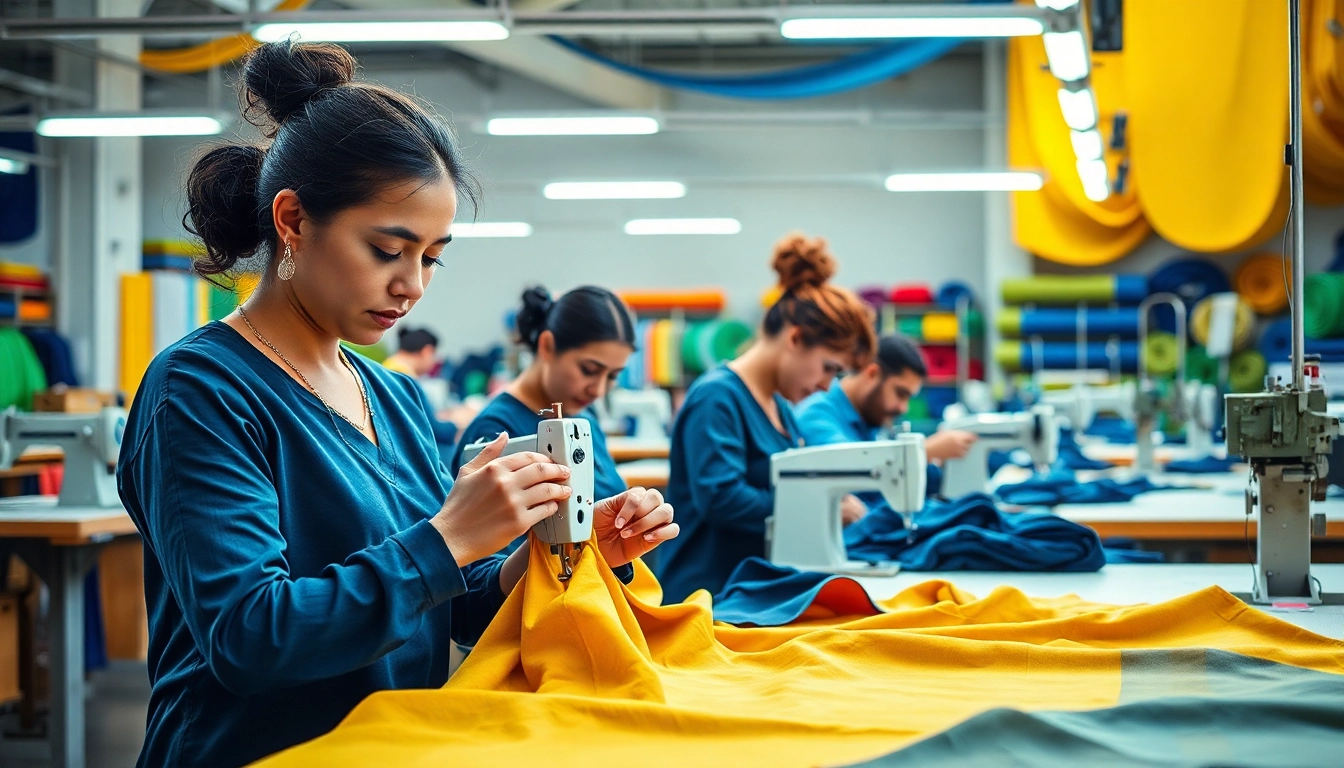
The apparel manufacturing industry serves as a backbone for several economic sectors worldwide. Defined by a complex network of suppliers, manufacturers, and retailers, this industry is responsible for the production of a vast range of clothing items. Apparel manufacturing can include anything from high-end fashion designed by iconic brands to everyday clothing sold in retail stores. The industry has seen transformative changes in technology, production techniques, and consumer habits, all of which shape its evolution. Moreover, the increasing demand for sustainable practices has added yet another layer to the operational challenges that companies face. Understanding the nuances of the apparel manufacturing landscape is essential for stakeholders, including brands looking to establish or enhance their partnerships with an Apparel Manufacturer.
Key Players in Apparel Manufacturing
Key players in the apparel manufacturing sector include a mix of large multinational corporations and smaller, specialized manufacturers. Companies like these often compete on various fronts including price, quality, and turnaround time. Major apparel manufacturers thrive in global markets, leveraging overseas production to reduce costs while serving diverse consumer bases. Smaller manufacturers typically emphasize quality, customization, and ethical production standards, focusing on niche markets. Collaborations and partnerships between these entities can enhance operational efficiencies and innovation. The landscape remains competitive, demanding agility and responsiveness to consumer trends.
Trends Shaping the Apparel Industry
Numerous trends continue to influence the apparel manufacturing industry. The push toward sustainable and ethical manufacturing practices has gained considerable traction. Brands are increasingly held accountable for their environmental impact, prompting a shift away from fast-fashion practices. Additionally, technology is revolutionizing the way apparel is designed, produced, and distributed. 3D printing, automation, and digital production methods have streamlined processes while allowing for true customization. Emerging trends like direct-to-consumer sales models and virtual fitting rooms are reshaping how manufacturers connect with consumers, indicating the necessity for manufacturers to adapt effectively to these changes.
Factors to Consider When Selecting an Apparel Manufacturer
Quality and Craftsmanship Evaluation
When selecting an apparel manufacturer, one of the most critical factors is the quality of the products they deliver. This evaluation encompasses various aspects, from the materials used to the precision of the final stitching. An effective way to discern quality is to request samples and conduct on-site visits, allowing brands to see firsthand the craftsmanship that goes into each item. Moreover, certifications from recognized standards can indicate a manufacturer’s commitment to quality and ethical practices. Brands must also consider how well the manufacturer’s quality aligns with their target market’s expectations.
Pricing Structures and Cost Analysis
Cost is always a significant consideration when choosing an apparel manufacturer, but it’s essential to look beyond mere price comparisons. Thorough cost analysis should consider factors like minimum order quantities, lead times, and payment terms. Understanding the full pricing structure, including hidden fees, can help brands make informed decisions. Long-term partnerships may also offer discounts for bulk orders, enabling brands to better manage their budgets and maximize profitability.
Turnaround Time and Production Capacity
Timeliness is paramount in the apparel industry, making production turnaround times a crucial factor in selecting a manufacturer. Brands must assess the manufacturer’s production capacity to ensure they can meet demand, particularly during peak seasons. Open communication about deadlines and expected delivery times helps in maintaining a reliable collaboration. Understanding how a manufacturer handles production schedules and any potential delays can provide insights into their reliability and the overall synergy between parties.
Best Practices for Collaborating with Apparel Manufacturers
Establishing Clear Communication
Collaboration starts with effective communication, which is essential for ensuring that both brands and manufacturers are aligned. Regular updates, meetings, and check-ins can help mitigate misunderstandings, ensuring that both parties clearly understand expectations and deliverables. Establishing a point of contact for each side fosters a streamlined communication channel that can significantly improve productivity and address any impending challenges more swiftly.
Negotiate Terms and Conditions
Before formalizing a partnership, negotiating terms is vital for setting the groundwork for a successful collaboration. This negotiation should cover everything from pricing and payment terms to quality assurance and delivery schedules. A well-defined contract can prevent future conflicts and misunderstandings. Both parties should approach negotiations collaboratively, recognizing that a mutually beneficial partnership is the foundation for success.
Monitoring Production Processes
Continuous monitoring of the production processes allows brands to ensure that the apparel manufacturer adheres to the outlined quality and production standards. Implementing feedback loops and performance assessments helps to gauge efficiency and effectiveness. Moreover, visiting production facilities or utilizing online tracking systems can provide transparency, allowing brands to maintain trust and accountability throughout the manufacturing process.
Common Challenges in Apparel Manufacturing and Solutions
Dealing with Supply Chain Disruptions
Supply chain disruptions pose a significant challenge in apparel manufacturing, often triggered by global events, market fluctuations, or logistical issues. To mitigate these risks, manufacturers must maintain robust supply chain networks, establish multiple sourcing options, and foster relationships with reliable logistics partners. Investing in supply chain technology and analytics can also enable brands to anticipate disruptions and respond effectively to ensure continuous production flow.
Quality Control Issues and Resolutions
Quality control issues can arise at any stage of the manufacturing process, leading to potential losses in revenue and brand reputation. To minimize such risks, manufacturers should employ rigorous quality assurance protocols throughout production. This includes regular inspections, adherence to production standards, and implementing corrective actions. Brands should collaborate closely with manufacturers, sharing data and feedback that can lead to continuous improvement and refining of quality control measures.
Adapting to Market Changes
The apparel industry is marked by rapid shifts in consumer preferences and market trends. Manufacturers must be agile and adaptive, ready to pivot their production strategies as needed. Staying informed about industry trends through market research, consumer insights, and competitive analysis allows manufacturers to anticipate changes and align their production with market demands effectively. This kind of proactive approach is critical for sustained success in the apparel industry.
Measuring Success When Working with an Apparel Manufacturer
Key Performance Indicators for Manufacturing
To assess the effectiveness of collaboration with an apparel manufacturer, brands should establish key performance indicators (KPIs) that measure critical aspects of the manufacturing process. KPIs might include production efficiency, defect rates, on-time delivery rates, and overall cost per unit. Tracking these metrics can provide valuable insights into operational strengths and weaknesses, allowing for informed decision-making and strategic adjustments.
Assessing Customer Satisfaction and Feedback
Customer satisfaction is a key indicator of success when partnering with an apparel manufacturer. Gathering and analyzing feedback from consumers can guide necessary improvements in design, production process, and overall quality. Brands should use surveys, reviews, and direct customer interactions as tools to gain insights into consumer preferences and experiences, which in turn can inform future production strategies.
Future-Proofing Your Manufacturing Strategy
Future-proofing entails developing a flexible manufacturing strategy that can withstand changes in consumer demands, technological advancements, and market conditions. This may involve diversifying product lines, investing in new technologies, or exploring sustainable practices. Brands should continuously monitor industry trends and consumer behavior, using this data to inform strategic plans that ensure long-term resilience against market volatility.
Frequently Asked Questions
What should I consider when choosing an apparel manufacturer?
Consider factors like quality, pricing, turnaround times, and communication practices. Proper evaluation ensures a successful partnership.
How important is sustainability in apparel manufacturing?
Sustainability is increasingly crucial. Consumers demand eco-friendly production, so choose manufacturers who prioritize ethical practices.
How can I ensure quality control in manufacturing?
Implement rigorous quality assurance protocols, regular inspections, and an established feedback system to maintain high-quality standards.
What role do technology and automation play in apparel manufacturing?
Technology and automation enhance efficiency, reduce costs, and enable customization, improving overall production processes in manufacturing.
How can I measure the success of my manufacturing partnership?
Use key performance indicators (KPIs), customer feedback, and production metrics to evaluate the effectiveness of your collaboration.