
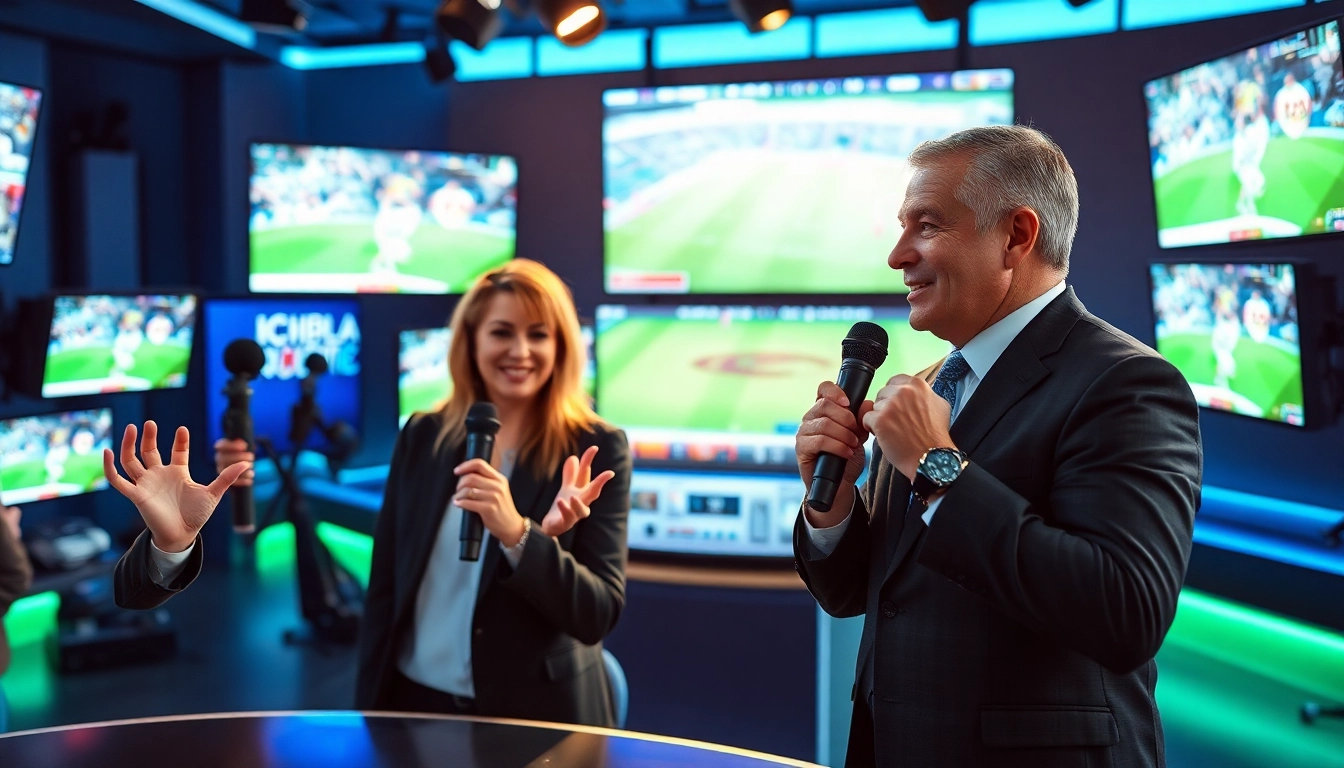

Understanding Sports Broadcasting
Sports broadcasting is a dynamic field that focuses on the live or recorded transmission of sporting events to audiences across various media, including television, radio, and online platforms. The rise of digital media has revolutionized this realm, expanding its reach and accessibility. In this article, we will explore the intricate aspects of sports broadcasting, from its storied history to the essential skills, best practices, challenges, and future trends that are shaping the industry.
With the increasing popularity of Sports Broadcasting, understanding its evolution and components is vital for aspiring broadcasters and enthusiasts alike.
History of Sports Broadcasting
The roots of sports broadcasting can be traced back to the early 20th century, with the advent of radio. The first Major League Baseball game was broadcast in 1921, marking a significant milestone. As technology evolved, television became the primary medium for sports broadcasting in the 1950s, bringing sports to living rooms across the globe. Iconic events like the Super Bowl and the World Cup transformed into enormous spectacles, drawing millions of viewers and substantial advertising revenue. The evolution of cable and satellite TV further intensified competition among broadcasters, leading to specialized sports networks.
Key Players in Sports Broadcasting
The sports broadcasting landscape comprises a diverse group of stakeholders, including broadcasters, production teams, commentators, journalists, and athletes themselves. Organizations such as the NCAA, FIFA, and the NFL play pivotal roles in rights negotiations and event organization. Additionally, technology providers have become crucial partners, supplying the infrastructure required for high-quality broadcasts. Together, these players create a vibrant ecosystem that facilitates the dissemination of sports content to audiences worldwide.
Types of Sports Broadcasting
Sports broadcasting can be categorized broadly into several types, including:
- Live Event Coverage: This involves broadcasting sporting events in real-time, providing viewers with an immersive experience.
- Highlight Shows: These programs showcase the best moments of games and events, often accompanied by expert analysis.
- Sports News: Dedicated segments or shows that deliver the latest news, updates, and discussions about various sports.
- Interviews and Talk Shows: Programs that feature discussions with athletes, coaches, and analysts, providing insights into the sports world.
Essential Skills for Sports Broadcasting
Communication Skills
Strong communication skills are fundamental for success in sports broadcasting. Broadcasters must convey complex information clearly and succinctly, engaging their audience effectively. This encompasses verbal communication, body language, and non-verbal cues during live events. Additionally, the ability to adjust tone and language based on the target demographic is crucial for resonance with diverse audiences.
Technical Knowledge
A robust understanding of technical aspects, including equipment operation, audio and video editing, and graphics production, is vital for sports broadcasters. Familiarity with broadcasting software and hardware enhances the efficiency and quality of productions, enabling broadcasters to deliver captivating content seamlessly.
Research and Preparation
Preparation is key in sports broadcasting. This involves extensive research into teams, players, statistics, and historical context to provide viewers with informative commentary. Successful broadcasters compile notes, fact sheets, and interview questions to ensure they are well-versed in the storyline of the event they are covering. This preparation not only boosts confidence but also enhances the overall quality of sports coverage.
Best Practices in Sports Broadcasting
Engaging the Audience
Engagement is crucial in retaining viewership. Broadcasters should employ storytelling techniques that resonate with the audience, weaving narratives around the athletes and events that evoke emotions. Moreover, interactivity through social media platforms allows viewers to connect with the broadcast in real-time, enhancing their experience and fostering a sense of community.
Live Event Coverage Techniques
Effective live coverage requires quick thinking and adaptability. Broadcasters must be prepared to pivot as events unfold, providing timely updates and insights. Utilizing features like instant replays, expert analysis during breaks, and on-field interviews can significantly enhance the live broadcast experience, keeping audiences glued to their screens.
Utilizing Social Media
Social media is a powerful tool for sports broadcasters, enabling them to reach wider audiences, promote content, and engage fans. Platforms like Twitter, Instagram, and TikTok allow broadcasters to share highlights, conduct polls, and interact with viewers, creating a two-way communication channel that enhances audience loyalty and visibility.
Challenges in Sports Broadcasting
Technical Difficulties
Technical issues can arise unexpectedly during live broadcasts, ranging from equipment failures to transmission problems. Preparation and contingency planning are essential for addressing these challenges. Training staff on troubleshooting techniques and investing in reliable technology can help mitigate potential disruptions.
Managing Time Constraints
Live sports events operate on strict timelines, making effective time management critical. Broadcasters must deliver content efficiently while ensuring accuracy and depth. Developing a structured rundown and establishing clear communication with production teams helps maintain the flow of the broadcast.
Handling Live Errors
Live broadcasts are inherently unpredictable, and errors can occur despite careful planning. The ability to remain composed and address mistakes professionally is vital. Broadcasters should embrace transparency with viewers by acknowledging errors and providing corrections promptly, reinforcing credibility and trust.
The Future of Sports Broadcasting
Emerging Technologies
The future of sports broadcasting is intricately linked to technological advancements. Innovations such as augmented reality (AR), virtual reality (VR), and 5G networks are set to transform viewer experiences. These technologies allow for immersive engagements with sports, offering fans unprecedented access to action and behind-the-scenes content.
Changing Viewer Preferences
As viewer preferences evolve, broadcasters must adapt to meet changing demands. Audiences increasingly favor on-demand content, personalized experiences, and mobile accessibility. Streamlining content delivery through apps and platforms that prioritize user convenience can enhance viewer satisfaction and retention.
Global Trends
Sports broadcasting is becoming increasingly globalized, with cross-border partnerships and content sharing on the rise. This trend fosters diversity of content and makes international sports more accessible to local audiences. Broadcasters must stay attuned to global developments in sports, culture, and viewer behavior to thrive in this competitive environment.
FAQs about Sports Broadcasting
What is sports broadcasting?
Sports broadcasting involves transmitting live or recorded sporting events via television, radio, or online platforms, providing audiences with comprehensive coverage.
What skills are essential for a sports broadcaster?
Key skills include strong communication, technical knowledge, and thorough research and preparation to deliver engaging and informative content.
How has technology impacted sports broadcasting?
Technology has revolutionized sports broadcasting through improved broadcast quality, interactive features, and new delivery methods like live streaming and social media.
What are the challenges faced in sports broadcasting?
Broadcasters deal with technical difficulties, time constraints, and the need to handle live errors professionally during broadcasts.
What is the future of sports broadcasting?
Emerging technologies, changing viewer preferences, and global trends are set to dramatically shape the future of sports broadcasting, offering new opportunities for engagement.