
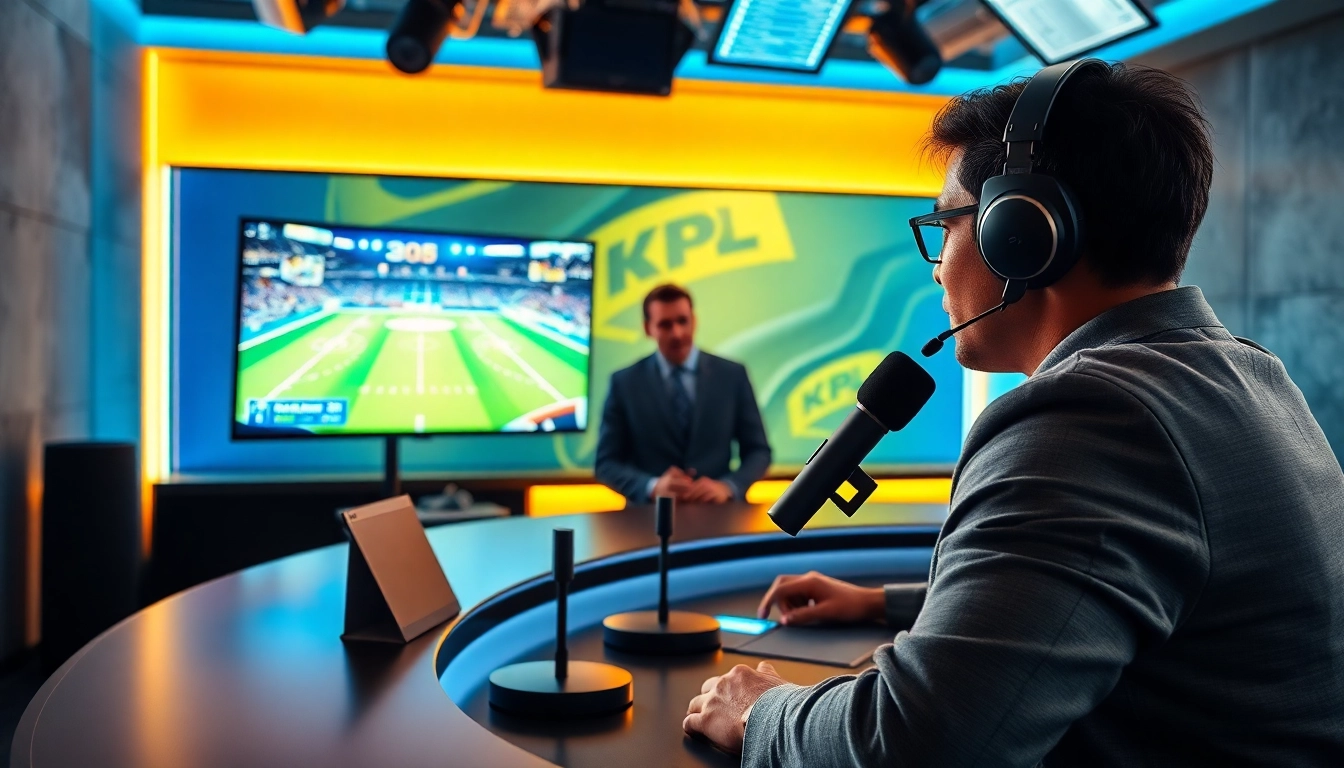

Understanding the Landscape of Sports Broadcasting
The world of Sports Broadcasting has undergone immense transformation over the decades, evolving from traditional methods of highlighting sporting events into a multifaceted industry that leverages cutting-edge technology and changing viewer preferences. This article delves deep into the intricate ecosystem of sports broadcasting, articulating its evolution, key players, core components, audience engagement strategies, emerging trends, and methods of measuring success.
The Evolution of Sports Broadcasting
Starting with radio broadcasts in the early 20th century, sports broadcasting has seen significant growth with advancements in technology. The transition from radio to television in the mid-1900s marked a major shift in how audiences consumed sports content. High-definition broadcasts, instant replays, and multiple camera angles have become staples in today’s programming, transforming the spectator experience.
Digital streaming emerged as a game-changer, allowing for on-demand access to sports content. The proliferation of mobile devices and the internet has further democratized access, enabling viewers to enjoy sports from anywhere at any time. As a result, traditional broadcasting is now complemented by online platforms, which cater to younger audiences’ preferences for flexibility and mobility.
Key Stakeholders in Sports Broadcasting
The sports broadcasting landscape is supported by various key stakeholders. Broadcasters, including television networks and online streaming services, are the primary entities that produce and distribute content. Sports leagues and teams play crucial roles, as they negotiate broadcasting rights that determine how and where fans can access their favorite events.
Sponsors and advertisers are equally important, providing revenue that supports production costs while serving as a bridge to the audience. In addition, regulatory bodies like the Federal Communications Commission (FCC) influence operations by establishing guidelines that govern broadcasting practices and content distribution.
Regulatory Environment in Sports Broadcasting
Regulation in sports broadcasting is complex, addressing the legal and ethical dimensions of content distribution. Regulatory frameworks often revolve around copyright laws, ensuring that broadcasters have the rights to transmit live events and highlights. Regulations also encompass advertising standards and consumer protection, ensuring transparency and fairness in promotional content.
As digital platforms continue to rise, so do concerns regarding data privacy and broadcast piracy. Stakeholders must remain vigilant and adaptable to comply with changing regulations while finding innovative ways to protect their content.
Core Components of Sports Broadcasting
Technical Aspects of Sports Broadcasting
The technical side of sports broadcasting involves various tools and technologies necessary for delivering high-quality content. High-definition cameras, advanced broadcasting software, and real-time graphics systems are essential for creating an engaging viewing experience. Additionally, fiber optic cables and satellite technology ensure that broadcasts are transmitted seamlessly across geographical boundaries.
With the emergence of 5G technology, the potential for instantaneous broadcasts has increased, enabling higher-quality streaming and a reduction in lag time—crucial for live events. This technology also allows for innovative viewer experiences, such as multiple viewing angles and interactive features.
Content Creation and Curation
Content creation in sports broadcasting encompasses live coverage, analyses, pre-game and post-game shows, and highlight reels. Engaging content is essential for retaining viewer interest, leading broadcasters to invest in skilled commentators, analysts, and production teams. Moreover, curation involves selecting which games or moments gain airtime, often influenced by audience demand and strategic partnerships with leagues.
With the extensive availability of content, broadcasters must employ effective curation strategies to highlight the most engaging and relevant segments, ensuring that their programming stays fresh and appealing.
Engaging Storytelling in Sports Broadcasting
At the heart of compelling sports broadcasting lies storytelling. Broadcasters aim to connect with the audience by weaving narratives around games, players, and teams. These narratives shape viewer perceptions and enhance emotional investment in the events being covered.
Effective storytelling in sports broadcasting often features a mix of statistics, anecdotes, and personal tales that resonate with audiences. By leveraging human interest angles and highlighting significant moments, sports broadcasters can create memorable experiences that elevate their content beyond mere events.
Strategies for Effective Audience Engagement
Leveraging Social Media for Sports Broadcasting
Social media plays a pivotal role in shaping audience engagement strategies. Platforms such as Twitter, Facebook, and Instagram allow broadcasters to connect with fans in real-time, sharing highlights, updates, and behind-the-scenes content. This engagement fosters a sense of community and accelerates the distribution of content beyond traditional viewership.
Utilizing hashtags, live chats, and interactive polls can significantly improve audience participation, allowing fans to share their opinions and reactions instantly. This two-way communication can enhance the viewer’s overall experience and foster loyalty to specific broadcasters or sports leagues.
Personalization and Interactive Elements
Personalization in sports broadcasting is becoming increasingly vital as audiences expect tailored experiences. Broadcasters can leverage data analytics to offer viewers customized content based on their favorite teams, players, and viewing history. This targeted approach increases viewer retention and satisfaction.
Interactive elements, such as live polls, quizzes, and augmented reality features, can further enrich the viewing experience. By encouraging audience participation, broadcasters can create a dynamic environment that keeps fans engaged throughout the event.
Analytics and Audience Feedback Integration
Understanding audience preferences and behaviors is crucial for sports broadcasters. Utilizing analytics tools allows broadcasters to track viewership trends, assess content performance, and recognize patterns in audience engagement. This data helps in refining programming strategies and optimizing future broadcasts.
Incorporating audience feedback through surveys and engagement metrics also plays a critical role. By considering insights directly from viewers, broadcasters can adapt their content and delivery mechanisms to meet evolving audience expectations, ensuring sustained relevance in a competitive market.
Emerging Trends in Sports Broadcasting
The Impact of Streaming Services
The rise of streaming services has fundamentally shifted the landscape of sports broadcasting. As audiences increasingly favor on-demand content, traditional cable subscriptions have seen significant declines. Streaming platforms provide flexibility, allowing users to watch games on their schedules.
Moreover, these services often offer exclusive content such as behind-the-scenes footage, interviews, and multi-camera views, enhancing the viewer experience. The competition between traditional broadcasters and new streaming platforms is reshaping rights negotiations and content strategy across the industry.
Virtual Reality and Augmented Reality in Sports Broadcasting
Virtual and augmented reality technologies are on the brink of revolutionizing how sports are viewed. By offering immersive experiences, these technologies allow fans to feel as if they are part of the action, even when watching from home. Virtual reality can transport viewers to the sidelines of a game, while augmented reality can provide supplementary information overlaying game footage.
As these technologies become more mainstream, they present broadcasters with new opportunities to engage audiences, providing them with innovative ways to experience sports.
Future Technologies Shaping Sports Broadcasting
Looking ahead, several technologies are poised to shape the future of sports broadcasting. Artificial intelligence and machine learning are already being utilized to analyze viewer data, improve content recommendations, and personalize experiences. Furthermore, blockchain technology may revolutionize rights management and ticketing processes by providing transparency and security in transactions.
As these technologies continue to evolve, broadcasters must remain agile, capitalizing on new advancements to enhance viewer experience and maintain audience loyalty.
Measuring Success in Sports Broadcasting
Key Performance Indicators for Sports Broadcasting
To gauge success, sports broadcasters must establish clear Key Performance Indicators (KPIs). These metrics often include viewership ratings, audience growth, and engagement levels on various platforms. By tracking these indicators, broadcasters can assess their programming’s effectiveness and make informed decisions moving forward.
Additionally, revenue generated from advertising, sponsorships, and subscription models serves as a vital KPI, reflecting the financial health of broadcasting operations.
Evaluating Viewer Engagement Metrics
Viewer engagement metrics provide insights into how audiences interact with content. Metrics such as time spent viewing, shares on social media, and participation in interactive elements help broadcasters understand which aspects of their programming resonate most with viewers.
Regular analysis of these metrics informs content revisions, enabling broadcasters to craft more appealing programming that aligns with audience preferences.
Adjusting Strategies Based on Performance
Adaptability is key in sports broadcasting. With the continuous evolution of viewer preferences and technologies, broadcasters must regularly revisit their strategies based on performance data. This may involve experimenting with new content formats, revising broadcast schedules, or embracing emerging technologies to enhance viewer experience.
Ultimately, successful sports broadcasting hinges on the ability to respond to audience needs and market trends, ensuring sustainable growth in a dynamic environment.
FAQs:
1. What is sports broadcasting? Sports broadcasting refers to the live transmission of sports events, analyses, and highlights via television, radio, and online platforms, aiming to engage a broad audience.
2. How has technology changed sports broadcasting? Advances in technology, such as high-definition broadcasting and digital streaming, have significantly enhanced viewer engagement and accessibility in sports.
3. What role does social media play in sports broadcasting? Social media connects fans in real-time, facilitating interaction, sharing highlights, and promoting events, thereby driving viewership and engagement.
4. What are the key challenges in sports broadcasting? Key challenges include rights management, technological advancements, audience fragmentation, and adapting to shifting viewer habits and preferences.
5. How do sports broadcasters measure success? They measure success through viewership ratings, audience engagement metrics, social media interaction, and the return on investment for advertising and sponsorship deals.