
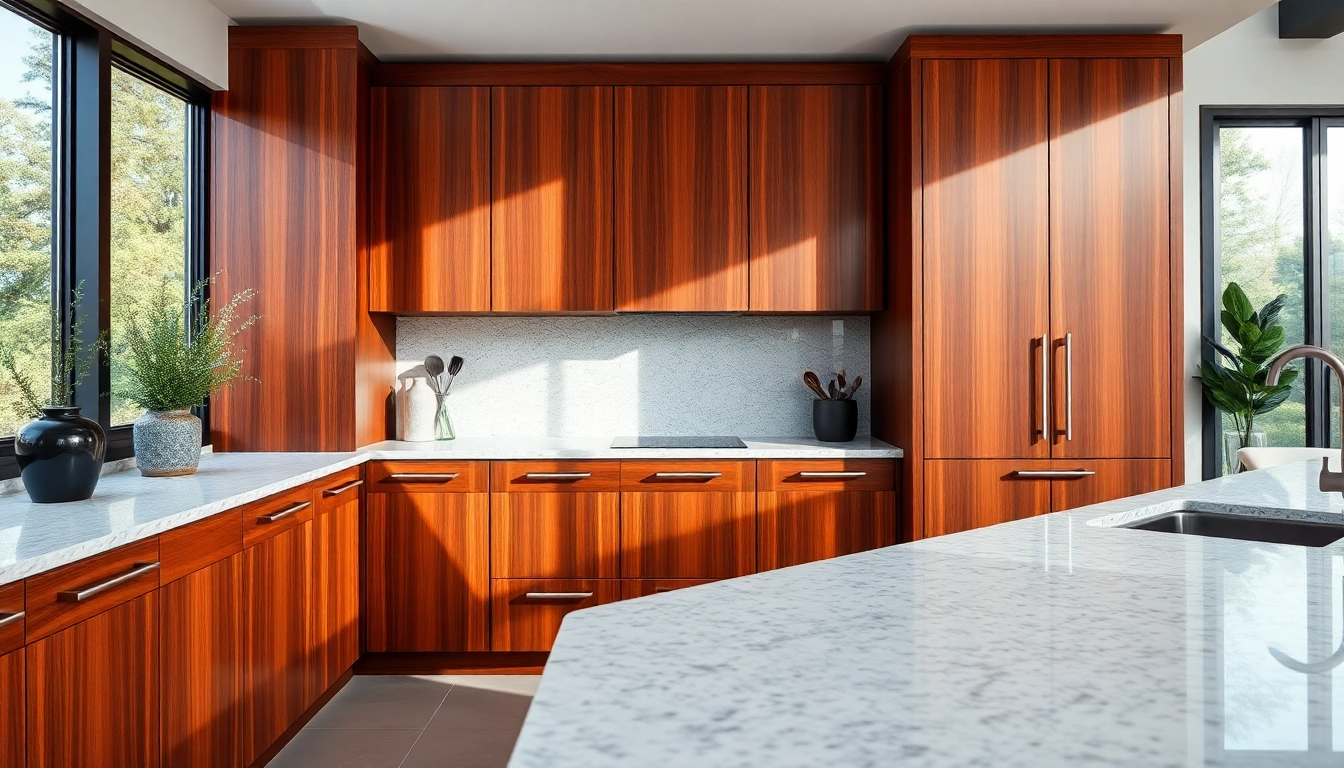

The Importance of Quality Cabinetry
Defining Cabinetry and Its Role in Interior Design
Cabinetry serves as a foundational element in interior design, transforming spaces into functional and aesthetically pleasing environments. Defined as built-in furniture or storage solutions, cabinetry can be tailored to enhance any area—from kitchens and bathrooms to living rooms and home offices. With the right cabinetry, you can maximize space, improve organization, and add a touch of personal style to your home. The importance of cabinetry extends beyond mere functionality; it plays a crucial role in the overall harmony of interior design.
Benefits of Custom Cabinetry Over Pre-Made Options
Choosing custom cabinetry over pre-made options can lead to significant advantages for homeowners. Custom cabinetry is designed specifically for your space, maximizing functionality while ensuring a perfect fit. Some key benefits include:
- Tailored Design: Custom cabinetry allows you to select materials, finishes, and designs that reflect your style.
- Optimized Space: Custom solutions can make the most of awkward spaces, ensuring every inch of your area is utilized.
- Quality Craftsmanship: Unlike mass-produced options, custom cabinetry often involves higher quality materials and craftsmanship, resulting in durability and longevity.
- Ultimate Flexibility: You can incorporate specialized features such as pull-out shelves, adjustable drawers, and integrated lighting to enhance convenience.
How Quality Cabinetry Adds Value to Your Home
Investing in high-quality cabinetry can significantly increase your home’s value. High-quality cabinets offer both functional and aesthetic benefits, which appeal to potential buyers. Here are ways quality cabinetry boosts home value:
- Visual Appeal: A well-designed cabinetry adds elegance and sophistication to your home, making it more attractive to visitors and buyers alike.
- Functional Efficiency: Quality cabinetry enhances the usability of space, appealing to practical-minded buyers who value functionality.
- Long-Term Investment: Quality cabinetry typically requires fewer repairs and replacements, making it a smart long-term investment.
- Color and Style Trends: Custom cabinetry can integrate trending styles and finishes, making your home stand out in a competitive market.
Types of Cabinetry Styles Available
Traditional vs. Contemporary Cabinetry: Key Differences
When considering cabinetry for your home, it’s essential to understand the distinguishing characteristics between traditional and contemporary styles. Traditional cabinetry reflects classic designs with rich wood finishes, intricate details, and natural materials. It evokes a sense of nostalgia and warmth, often featuring ornate moldings and hardware.
Conversely, contemporary cabinetry emphasizes clean lines, minimalistic aesthetics, and innovative materials. This style often incorporates a mix of wood, metal, and glass for a sleek, modern look. In contrast to traditional cabinetry, contemporary designs tend to prioritize functionality over ornamentation, focusing on practicality and space optimization. Knowing these differences will help you choose a style that harmonizes with your home’s design theme.
Exploring Popular Cabinetry Materials and Their Uses
Material selection is a crucial aspect of cabinetry design. Different materials offer various advantages, durability levels, and aesthetic qualities. Below are some popular materials used in cabinetry:
- Solid Wood: Highly prized for its beauty and sturdiness, solid wood offers a timeless look but can be expensive.
- Plywood: A more affordable option, plywood combines strength and flexibility, making it suitable for custom designs.
- Medium-Density Fiberboard (MDF): MDF is an engineered material that can be easily painted, perfect for modern cabinetry styles.
- Laminate: A budget-friendly choice, laminate provides a variety of finishes and colors, though it may lack durability compared to wood.
- Metal: Increasingly popular, metal cabinetry offers an industrial aesthetic and is often used in contemporary designs.
Choosing the Right Style for Your Space
Selecting the appropriate cabinetry style for your space can dramatically influence the ambiance and functionality of your home. Here are some tips to guide your decision-making process:
- Consider the Overall Theme: Ensure your cabinetry complements the existing style of your home, whether it’s modern, rustic, or eclectic.
- Assess Space and Function: Evaluate the size of your area to determine if you need cabinetry that maximizes storage or maintains an open feel.
- Component Style: Choose cabinetry with hardware, colors, and finishes that align seamlessly with your interior decor.
- Balance Form and Function: Aim for cabinetry that not only looks good but also provides essential functions and storage solutions specific to your lifestyle.
Designing Your Perfect Cabinetry Layout
Understanding Kitchen Flow and Functionality
The heart of the home often revolves around the kitchen, making it essential to design cabinetry that supports efficient flow and functionality. Understanding the kitchen work triangle—comprising the stove, sink, and refrigerator—is vital for optimizing movement and accessibility. Here are strategies for effective layout design:
- Identify traffic patterns to ensure smooth navigation throughout the kitchen.
- Integrate cabinetry that allows for easy access to cooking tools and utensils.
- Plan for ample counter space to facilitate meal preparation and serving.
Incorporating Storage Solutions in Your Cabinetry
Effective cabinet design should prioritize storage solutions that suit your specific needs. Innovative storage ideas include:
- Pull-Out Shelves: A practical feature that enhances visibility and accessibility of items stored in the back.
- Lazy Susans: Ideal for corner cabinets, allowing for easier access to pots, spices, and other kitchen essentials.
- Drawer Dividers: Keep utensils and tools organized for increased efficiency.
- Built-In Bins: A great way to segregate recycling materials and trash while keeping them discreetly stored.
Design Tips for Maximizing Space in Smaller Areas
In smaller areas, utilizing cabinetry effectively becomes essential. Here are tips to maximize space:
- Opt for vertical storage solutions that take advantage of height.
- Choose light-colored finishes to create an illusion of space.
- Incorporate multifunctional furniture that integrates cabinetry for efficiency.
- Design open shelves to display items while minimizing bulkiness.
Installation Processes for Cabinetry
Preparing Your Space for New Cabinetry
Proper preparation is vital for a successful cabinetry installation. Before installation, consider the following steps:
- Clear the area: Remove prior cabinetry and appliances to create an unobstructed workspace.
- Update electrical and plumbing: Ensure all utility lines are properly prepared for any cabinetry modifications.
- Measure your space: Confirm that dimensions accommodate the new cabinetry to avoid sizing issues.
Common Mistakes to Avoid During Installation
Even with careful planning, mistakes can occur during installation. Some common pitfalls to avoid include:
- Improper Alignment: Ensure cabinets are level and aligned properly to create a seamless look.
- Neglecting the Work Triangle: Double-check that cabinetry placement supports kitchen flow, enhancing functionality.
- Ignoring Instructions: Adhere to manufacturer guidelines to avoid improper installation that may compromise durability.
Ensuring Proper Maintenance After Installation
Once your cabinetry is installed, ongoing maintenance is crucial to preserve its appearance and functionality. Key maintenance tips include:
- Regularly clean surfaces with a mild soap solution to maintain a polished look.
- Inspect joints and hinges periodically to ensure they remain secure and functional.
- Use coasters and mats to prevent water damage to surfaces, especially near sinks.
FAQs about Cabinetry
What materials are best for durable cabinetry?
Solid wood, plywood, and medium-density fiberboard (MDF) are ideal for durability. Choose based on style and usage requirements for the best results.
How long does it take to install cabinetry?
Installation typically takes one to three days, depending on the complexity and size of the project, along with any custom features.
Can I customize cabinetry for unique spaces?
Yes! Custom cabinetry can be designed specifically to fit any space, ensuring optimal functionality and aesthetic appeal for your needs.
What is the cost range for custom cabinetry?
Cost can vary significantly and often ranges from $500 to $1,200 per linear foot, depending on the materials, design complexity, and finishes used.
How can I maintain my cabinetry’s appearance?
Regular dusting and occasional cleaning with mild soap and water can help keep your cabinetry looking new while preventing wear over time.